


Every sparkling diamond starts as something tiny. Lab grown diamonds begin with a thin, flat slice of diamond called a seed. That slice guides how new carbon atoms line up. So how does a small piece grow into a diamond for your ring?
Many shoppers search for diamond seeds before they buy jewellery. They want to know what a seed is and why it matters. This guide answers those questions in plain words. You will also see how the seed links to the diamond you wear.
We keep the science light and the language simple. You will find tables, tips, and quick answers along the way. Each section helps you shop with more confidence. First, meet the seed itself.
What Is a Seed in Diamond Growth?
A seed is a thin plate cut from an existing diamond. It works like a tiny floor for new crystal growth. Carbon atoms settle on it and copy its pattern. Layer by layer, a larger rough diamond takes shape.
Why the Seed Shapes the Final Diamond
The seed sets the crystal pattern for everything that grows above it. A clean seed supports a clean and bright diamond. Growers check each seed closely before they begin. That care shows later in the sparkle you see.
Quick Facts About Seeds
- A seed is flat, thin, and made of real diamond.
- Its pattern guides the growth of the new crystal.
- Some growers reuse seeds after a growth round.
- Seed quality affects the clarity of the rough diamond.
- Growth takes days to weeks, based on size and method.
The Journey From Seed to Finished Diamond
The path from seed to diamond follows a clear order. Each stage needs patience and careful checks. Below is a simple view of the journey. Most diamonds follow these five stages.
- Seed selection: Teams pick a clean, well-cut seed plate.
- Growth: Carbon builds up on the seed, layer by layer.
- Rough check: Experts inspect the grown crystal for quality.
- Cutting and polishing: Skilled artisans shape it into a sparkling diamond.
- Setting: A jeweller places the finished diamond in a ring or pendant.
Common Myths About Seeds
Seeds attract many questions and a few wrong ideas. Clear facts help you shop without worry. The table below sets the record straight. Read it before you compare pieces.
| Myth | Fact |
| A seed is plastic or glass | A seed is made of real diamond |
| Lab created diamonds look different | They match the sparkle of any diamond |
| The seed sits inside your jewellery | Growers separate it before cutting begins |
Lab Grown Diamond vs Natural Diamond: What Differs?
Think of lab grown diamond vs natural diamond as two paths to one diamond. Both are made of carbon. Both reach 10 on the Mohs hardness scale. The main difference is where each diamond grows.
| Feature | Lab Grown Diamond | Mined Diamond |
| Material | Carbon | Carbon |
| Hardness | 10 on the Mohs scale | 10 on the Mohs scale |
| Origin | Grown in a controlled setting | Formed deep in the earth over long ages |
| Starting point | A seed plate | Natural forces below the surface |
| Price | Often lower for the same size | Varies with rarity |
| Look | Bright, with real diamond fire | Bright, with real diamond fire |
Why Shoppers Enjoy Lab created Diamonds
Shoppers like the value that lab created diamonds offer. Larger sizes often fit more modest budgets. The origin is clear and easy to trace. Many also enjoy the wide range of shapes.
Benefits at a Glance
- Fair pricing for bigger diamonds
- A clear and traceable origin
- Many shapes, such as round, oval, and pear
- The same strength and shine as any diamond
Lab Grown Diamond Jewellery for Daily Wear
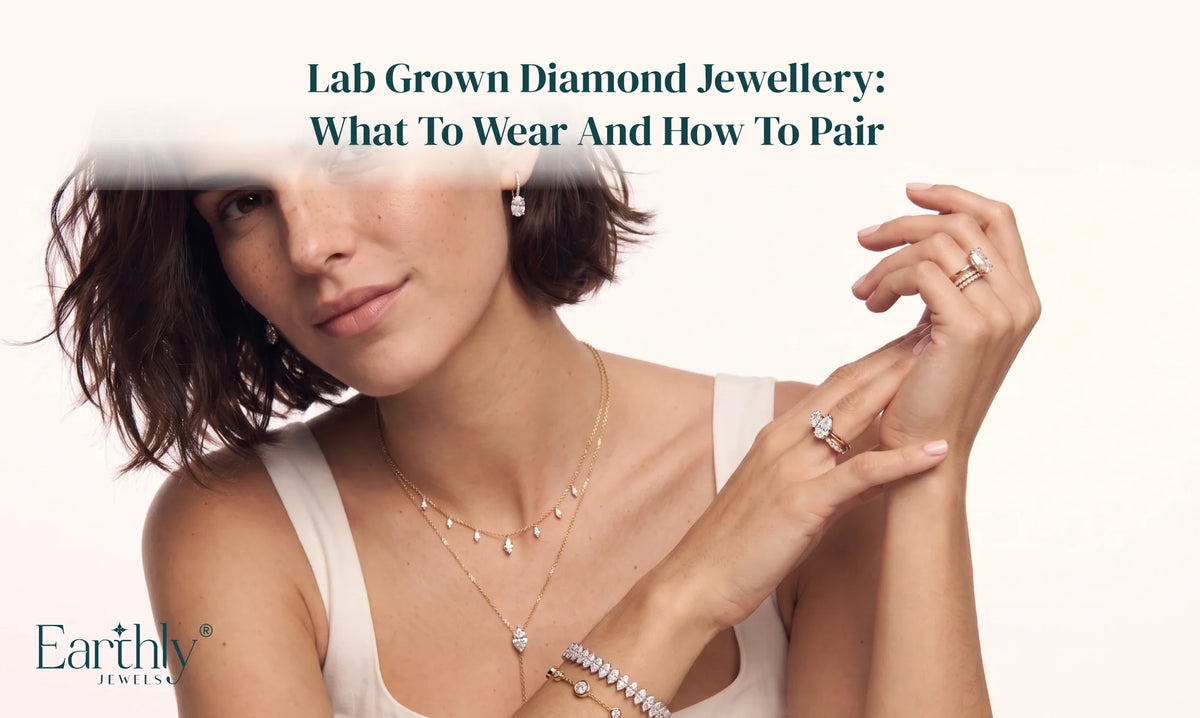
Strong diamonds suit everyday life, from office days to weddings. Rings, earrings, pendants, and bracelets all work well. Light designs pair with both casual and festive outfits. Every piece carries the same brilliant shine.
| Jewellery Type | Daily Wear Tip |
| Diamond Ring | Pick a low setting to avoid snags |
| Earrings | Studs suit work and travel |
| Pendant | A short chain sits neatly under collars |
| Diamond Bracelet | A tennis style moves well with the wrist |
Lab Grown Diamond Jewellery in India: What to Know
India has a strong name in diamond cutting and polishing. Surat is a well-known hub for this craft. The government has backed research on seeds and growth machines. Many buyers now compare designs and prices online.
Smart Buying Tips
- Ask for a grading certificate with every diamond.
- Compare settings, not just diamond size.
- Check the metal purity stamp on the piece.
- Read the return and resizing policy.
- Match the design to your daily routine.
How a Grown Crystal Becomes Different Shapes
A grown crystal can become many shapes. Cutters study the rough diamond before the first cut. Their plan protects the best parts of the crystal. Each shape then shows the seed's quality in its own way.
Popular Shapes and Where They Shine
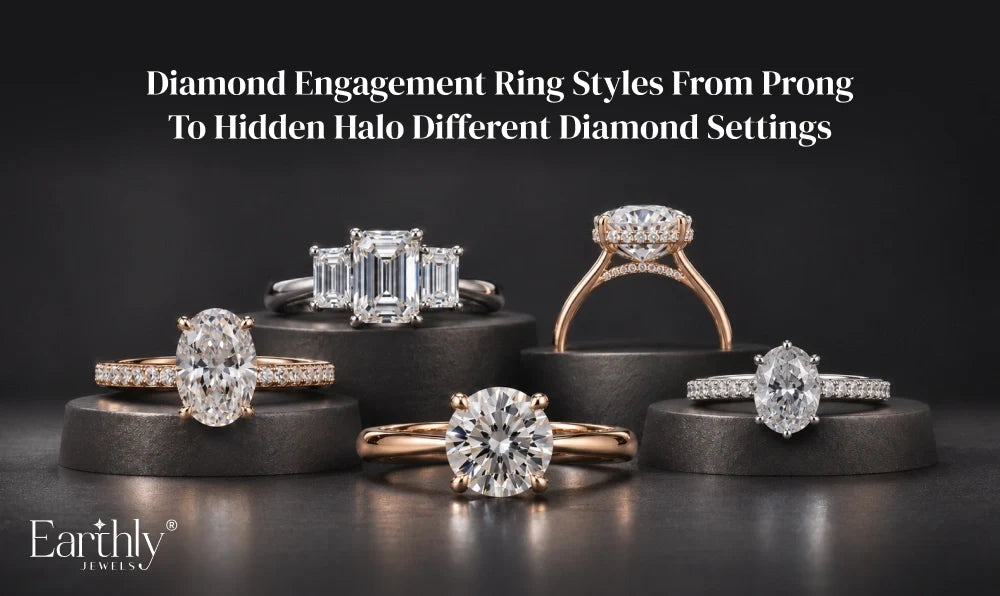
Round, oval, and pear shapes lead many wish lists. Each one suits a different jewellery style. Use the table to match shape to piece. It makes choosing much easier.
| Shape | Look | Best Jewellery Pick |
| Round | Classic, with plenty of sparkle | Solitaire rings and studs |
| Oval | Long, elegant, and finger-flattering | Proposal rings |
| Pear | Soft teardrop with a gentle curve | Pendants and drop earrings |
Quick Shape Tips
- Oval shapes make fingers look longer.
- Round shapes give the most sparkle.
- Pear shapes work well in pendants.
- Repeat one shape across a set for a neat look.
Styling Ideas for Every Occasion
Good jewellery follows your day, not the other way round. Light pieces suit work, and bold pieces suit parties. Mixing a few pieces creates a look that feels personal. These ideas show you where to start.
- Proposals: An oval solitaire ring makes a graceful first choice.
- Couples: Matching couple rings tell a shared story.
- Gifts: A pendant or necklace suits birthdays and special days.
- Work: Small studs add polish without distraction.
- Weddings: A tennis bracelet adds shine to festive outfits.
Gifting the Seed Story
Every piece has a story that begins with one seed. Sharing it makes a gift feel more personal. A short note about the journey adds warmth. Many receivers enjoy both the sparkle and the story.
Expert Tips Before You Buy
Jewellery experts share a few simple rules for new buyers. These tips save time and prevent regret. They apply to rings, pendants, earrings, and more. Try them before you shop.
- Expert tip 1: Try pieces on in daylight to judge true sparkle.
- Expert tip 2: Pick a setting that suits your hands and lifestyle.
- Expert tip 3: Buy from a brand that shares clear diamond details.
Key Takeaways
- Seed: A seed is a thin diamond plate that starts crystal growth.
- Carbon: Carbon atoms stack on the seed and copy its pattern.
- Quality: A clean seed supports a bright and clear diamond.
- Time: Growth takes days to weeks, based on size and method.
- Reality: Lab grown diamonds are real, with the same hardness.
- Value: Larger sizes often fit more modest budgets.
- Variety: Rings,diamond earrings, pendants, and bracelets come in many shapes.
- Origin: Buyers enjoy a clear and traceable story.
- Proof: Always ask for a grading certificate.
- Comfort: Choose designs that suit your daily life.
Conclusion
Lab grown diamonds start small, yet the seed shapes the whole journey. It guides each atom, layer by layer. The result is a real diamond with lasting brilliance. Knowing this makes shopping clearer and more fun.
Choose a design that matches your style and routine. Compare settings, ask for certificates, and try pieces in daylight. A thoughtful pick will serve you for many years. Your sparkle story can start with a single seed.
FAQs
What is a seed in diamond growth?
A seed is a thin diamond plate that starts crystal growth. New carbon atoms copy its pattern as they settle. This step is the starting point of every grown diamond.
Is a seed a real diamond?
Yes, a seed is made of real diamond. It gives the new crystal a clear pattern to follow. A real base helps the crystal grow in an orderly way.
How long does growth take?
It ranges from days to several weeks. Larger diamonds usually need more time. Growers set the pace carefully to protect quality.
What is the difference in a lab grown diamond vs natural diamond?
Both are real diamonds made of carbon. They differ mainly in where they grow. Your choice often comes down to budget and personal taste.
Can I see the seed inside a finished diamond?
Usually not. Growers separate the grown crystal from the seed before cutting begins. The seed stays in the growing lab while the diamond moves to the cutters.
Does the seed change the sparkle?
A clean seed supports a clear crystal. Cutting then brings out the final brilliance. Skilled polishing matters just as much as the seed.
Is lab grown diamond jewellery in India easy to buy?
Yes, many brands sell online with clear diamond details. Compare certificates and return policies before ordering. Reading buyer reviews also helps you pick a trusted seller.
How should I care for my jewellery?
Clean it gently with warm soapy water and a soft brush. Store each piece separately to prevent scratches. Avoid harsh chemicals, since they can dull the metal.


Share:
Trending Couple Diamond Rings With Lab Grown Diamonds
Lab Grown Diamond Jewellery: Packing Tips for Travel