


Green diamonds stand out with a beauty unlike colourless diamonds. Green diamonds are extremely rare in nature. Their leaf tones and forest shades feel fresh and personal. This guide explains where that colour comes from and what it means.
You will learn how nature creates green and why natural examples are scarce. We also explain colour in diamonds and how fancy grades describe hue and strength. Next, you will see what green stands for in jewellery. Then you will find simple tips for choosing a ring, a necklace or earrings.
Lab grown options now make green far easier to find. A lab grown green diamond shares the crystal structure of a mined diamond. It can offer rich colour, and many pieces come with a grading report. Read on to see which route fits your taste and budget.
Why Green Diamonds Are So Rare
Colour in diamonds comes from tiny changes inside the crystal. Nitrogen, boron and radiation each leave a different mark. A rare natural event is needed for green, so few crystals form it. That scarcity keeps green diamonds high on every collector's wish list.
How Radiation Creates Green
Natural green usually comes from radiation. Over millions of years, particles from nearby radioactive minerals can strike the crystal. Each hit pushes carbon atoms out of place and creates colour centres. These centres absorb some light, and the diamond looks green.
Often the green sits only in the outer layer of the rough crystal. Cutters carefully shape each facet to preserve its colour. Their skill protects both the hue and the weight. This effort adds to the rarity of natural pieces.
A Famous Example: The Dresden Green
The Dresden Green is a rare natural diamond weighing approximately 41 carats. It shows a soft apple green tone and has a long history. It is displayed today in Dresden, Germany. Few natural diamonds of that size and colour exist.
What Gives Each Colour in Diamonds?
Each shade has its own cause inside the crystal. Scientists study these causes to explain colour in diamonds. The list below covers the main ones. Notice how green stands apart, because radiation acts from outside the crystal.
- Nitrogen: Gives yellow tones and is the most common impurity.
- Boron: Creates blue diamonds, which are also rare.
- Radiation: Produces green, either in nature or through treatment.
- Lattice distortion: Can lead to pink, red or brown tones.
Fancy Colour Grades Explained
Graders judge colour in two different ways. White diamonds are graded from D to Z for how colourless they look. Fancy colour grading applies to green diamonds instead. Graders weigh hue, tone and saturation together.
Reading a Green Grade
Fancy grades describe how strong the green appears. Reports may also note a second hue, such as bluish or yellowish green. These notes help you compare two pieces fairly. The names below run from light to dark.
- Soft and airy: Fancy Light is a gentle green that suits daily wear.
- Clear and lively: Fancy and Fancy Intense show more depth.
- Strongest green: Fancy Vivid carries the most saturation.
- Rich and moody: Fancy Deep and Fancy Dark have darker tones.
Three Ways a Diamond Gets Its Green
Not every green diamond gets its colour the same way. Knowing the route helps you read a report with ease. It also helps you choose a piece that fits your plans. Here is a simple guide to the three common origins.
- Born in the earth: Natural green forms underground, and supply stays very limited.
- Enhanced by radiation: A natural diamond receives controlled radiation to add or deepen colour.
- Created in a lab: A lab grown diamond gets its green shade from the maker's process.
All three routes can give a lovely result. The key is clear information from your jeweller. A good report names the origin and the colour grade. That detail lets you compare pieces on equal terms.
What Green Diamonds Mean
Green is linked with growth, renewal and fresh starts in many cultures. Adding rarity to that symbol, green diamonds feel even more special. People often choose them to mark a new chapter. Meaning stays personal, so your own story matters most.
- Growth: A reminder of new goals and steady progress.
- Harmony: A calm, balanced link to nature.
- Renewal: A fitting gift for fresh beginnings.
- Individuality: A confident pick for anyone who loves colour.
Lab Grown Green Diamond: A Bright Alternative
Real diamonds can also be grown in a lab, with the same chemistry and crystal structure as mined ones. Makers often shape the green with controlled treatment, such as radiation. This gives buyers more green shades to explore. Always ask for a report that explains how the colour was created.
- Choice: A wider range of shades can be easier to compare.
- Clarity: Grading reports help you judge colour and quality.
- Custom design: A jeweller can build a piece around your chosen diamond.
- Everyday wear: The diamond has the same hardness as a mined diamond.
Green Diamond Jewellery Styles
Many designs suit green, from quiet daily wear to bold occasion pieces. The setting changes how the colour reads. White metal gives crisp contrast, while yellow gold warms the tone. Below are the styles people ask about most.
Green Diamond Ring Styles
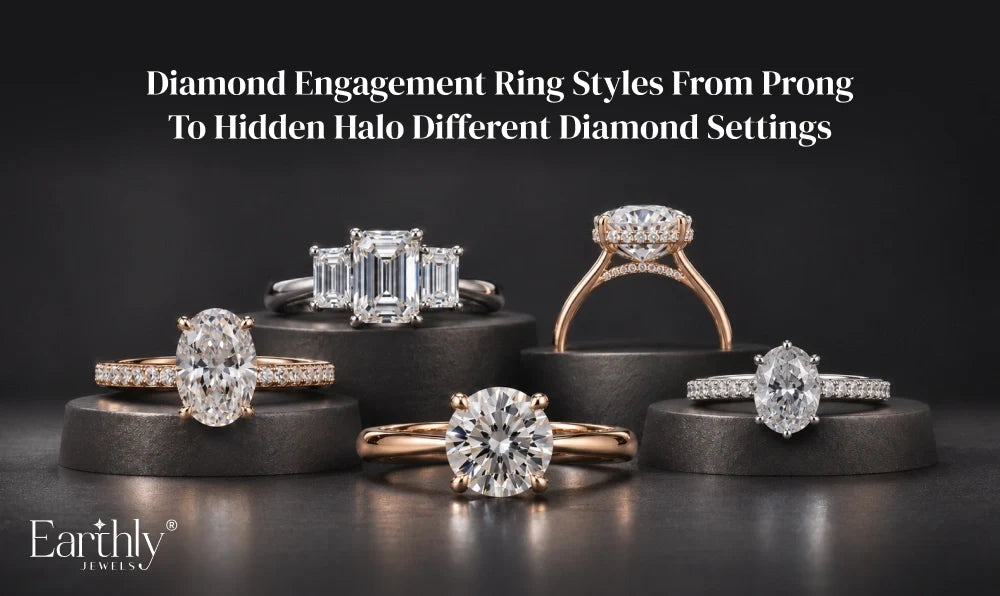
Colour shows best in a green diamond ring, the classic choice. Solitaire settings keep all eyes on one centre diamond. Bezel settings wrap the diamond in metal for extra protection. Halo designs add sparkle around the green.
Green Diamond Ring for Women
This style often suits a slim band and a delicate setting. Oval and pear shapes make the finger look longer. Cushion cuts give a soft, vintage mood. Small white diamonds on the shank add extra shine.
Mens Green Diamond Ring
Bold bezels and flat top signets suit a mens green diamond ring. Darker greens suit heavier gold and a strong look. Lighter greens pair well with white metal for a clean finish. A green diamond ring for men can also be a quiet statement in a slim band.
Green Diamond Necklace Ideas
Colour sits close to your face in a green diamond necklace. A single pendant keeps the look light and easy. Layered chains add depth when you want more drama. Short chains show the colour best, while longer ones feel relaxed.
Earrings, Bangles and Sets
Green diamond earrings are the easiest way to add colour to daily outfits. Studs stay neat, while drops add movement near the face. Green diamond bangles give the wrist a bold and festive look. A green diamond jewellery set ties earrings, a pendant and a ring into one story.
| Piece | Best for | Setting tip |
| Green diamond ring for women | Engagements and milestones | Bezel or solitaire for daily wear |
| Green diamond necklace | Office and evening looks | Short chain shows colour best |
| Green diamond earrings | Everyday style | Studs for calm, drops for drama |
| Green diamond bangles | Festive and party looks | Stack with plain gold bands |
| Green diamond jewellery set | Weddings and gifting | Match the metal across pieces |
Styling Green by Occasion
Most people find green easier to wear than they expect. It works as a soft accent or as the star of the outfit. Your clothes, skin tone and plans all shape the best pick. These ideas make the choice simple.
- Office days: Wear small studs or a slim pendant for a calm touch of colour.
- Weddings: Pick a statement piece in a deeper green with gold or white metal.
- Date nights: A green diamond necklace over a black neckline looks elegant.
- Gifts: Choose a pale green for a first gift, and a vivid green for a milestone.
Colours That Pair Well
Neutral outfits let the green stand out. White, cream, black and navy are all safe choices. Earthy tones like olive and tan create a soft, natural mood. Pastel pink adds a fresh and playful contrast.
How to Choose Green Diamonds Wisely
Start by deciding where you will wear the piece. Daily jewellery needs a secure setting and a comfortable shape. Occasion pieces can carry stronger colour and bigger designs. Then compare a few options in natural daylight.
- Report: Request a grading report that lists the colour grade.
- Origin: Ask whether the green is natural, treated or lab grown.
- Light: View the diamond in daylight and in indoor light.
- Setting: Pick a metal and prongs that protect the edges.
- Design help:Earthly Jewels offers custom jewellery design if you want a unique green diamond ring.
Questions to Ask Before You Buy
Good jewellers welcome questions. Clear answers show that the piece is honest and well made. Ask the points below and note each reply. Take your time before you decide.
- Grade: Which fancy colour grade does the report show?
- Source: Is the colour natural, treated or lab grown?
- Changes: Can the design be adjusted to suit my daily routine?
- Support: What help is offered for resizing and future care?
Key Takeaways
- Rarity: Natural green forms after millions of years of radiation exposure.
- Colour: Colour in diamonds comes from nitrogen, boron, radiation and crystal changes.
- Grading: Fancy grades for green diamonds judge hue, tone and saturation together.
- Meaning: Green stands for growth, renewal and harmony.
- Origin: Always confirm whether the green is natural, treated or lab grown.
- Lab: Lab grown diamonds share the crystal structure of mined diamonds.
- Rings: A green diamond ring works well in solitaire or bezel settings.
- Necklaces: A green diamond necklace brings colour close to your face.
- Settings: White metal adds contrast, while yellow gold warms the green.
- Care: Clean gently with mild soap and store each piece apart.
Conclusion
Green diamonds combine rare science with a symbol of renewal. Their colour comes from radiation, and fancy grades measure its strength. Knowing how colour in diamonds works helps you compare each piece with confidence. Meaning and style then guide your final choice.
Choices grow wider with lab grown options, and the diamond itself stays the same. A green diamond ring, a pendant or earrings can all show the colour well. Pick the origin, grade and setting that match your story. With those details clear, green diamonds can become a lasting favourite.
Frequently Asked Questions
What are green diamonds?
They are diamonds with a natural or created green hue. Radiation changes the crystal and produces the colour. Shades range from pale mint to deep forest green.
Are green diamonds really rare?
Yes, natural green is among the rarest diamond colours. Strong, vivid shades are even harder to find. Smaller and paler pieces appear more often.
Can lab grown diamonds be green?
Yes, lab grown diamonds can show beautiful green shades. Makers often use controlled treatment to shape the colour. A report should confirm how the colour was created.
How is green graded?
Graders use fancy colour grading based on hue, tone and saturation. Grades run from Fancy Light to Fancy Vivid and beyond. A second hue may also appear on the report.
Is a green diamond ring strong enough for daily wear?
Yes, diamond is extremely hard, so it resists everyday scratches. A bezel or secure prong setting adds extra protection. Remove the ring during heavy work.
Does a green diamond ring for men suit everyday wear?
Yes, a slim band or flat bezel works well for daily use. Choose a deeper green for a bolder look. Pair it with gold or white metal.
Which metal suits a green diamond necklace?
White gold or platinum makes the green look crisp. Yellow gold gives a warmer, richer glow. Rose gold creates a soft, romantic contrast.
How do I care for my green diamond pieces?
Soak the piece in warm water with mild soap. Brush gently with a soft brush and rinse well. Store it separately in a soft pouch.


Share:
Diamond Engagement Ring Styles From Prong to Hidden Halo