


India's love for diamonds has never been stronger. But today, buyers are making smarter, more informed choices. The demand for lab grown diamond ring in India is growing at an impressive pace.
Buyers want more sparkle for their money. They also want jewellery that aligns with their values. But with so many options available, choosing the right ring can feel overwhelming.
This guide will simplify everything for you. You will learn how to evaluate quality, pick the right shape, choose a setting, and buy with full confidence. By the end, you will know exactly what to look for in the best lab grown diamond ring.
What Is a Lab Grown Diamond Ring?
Before diving into buying tips, it helps to understand what you are actually purchasing. Knowing the basics will help you make a smarter decision.
Understanding Lab Grown Diamonds
Are They Real Diamonds?
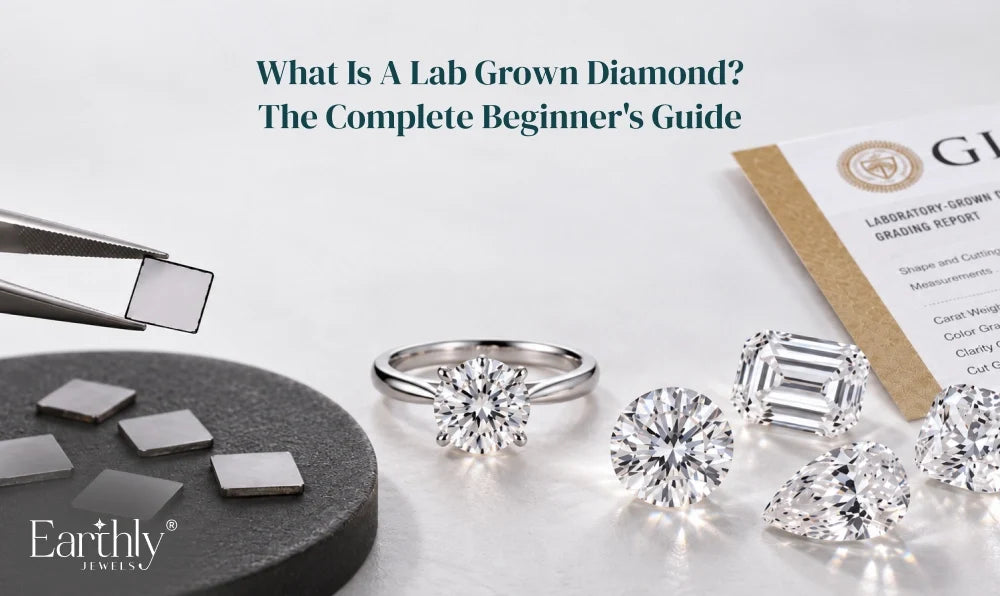
Yes, lab grown diamonds are real diamonds. They share the same chemical composition as mined diamonds. Both are made of pure carbon atoms in a crystalline structure. They display the same sparkle and visual appeal.
Lab grown diamonds also have equal hardness and durability. The main distinction is in their formation process. Natural diamonds develop deep beneath the Earth over billions of years. Lab grown diamonds are created under controlled laboratory conditions.
Lab Grown vs Natural Diamond Rings
Key Differences
This comparison offers a clearer understanding of the difference:
| Feature | Lab Grown Diamond | Natural Diamond |
| Formation | Created in a laboratory | Formed underground over billions of years |
| Pricing | 40% to 70% more affordable | Significantly higher cost |
| Availability | Readily available in various sizes | Limited by mining supply |
| Environmental Impact | Minimal mining footprint | Extensive mining operations required |
Quick facts about lab grown diamonds:
- Certified by leading global grading authorities such as IGI and GIA.
- Achieve a perfect 10 on the Mohs hardness scale.
- Appear visually identical to natural diamonds, even under magnification.
- Available in all popular shapes, cuts, and colours.
Why Indian buyers are choosing lab grown diamonds:
- Higher carat diamonds are accessible at lower price points
- Younger buyers prefer conflict-free and ethical jewellery
- Self-purchase and gifting occasions are driving demand
- More style options are available within the same budget
Why Lab Grown Diamond Rings Are Popular in India
Indian buyers are discovering a new kind of value. A lab grown diamond ring in India offers both luxury and practicality in equal measure.
Better Value
Bigger Diamonds Within Budget
One of the biggest reasons buyers are switching is simple: you get more diamonds for your money. A lab grown diamond can cost 40% to 70% less than a comparable natural diamond.
This means you can choose a higher carat weight. You can also opt for a better cut and clarity grade without stretching your budget.
Ethical and Sustainable Appeal
Modern Jewellery Preferences
Today's buyers think beyond just beauty. They want to know their jewellery does not come at a social or environmental cost.
Lab grown diamonds are conflict-free by nature. They also require significantly less land disruption compared to traditional diamond mining. This makes them a responsible and modern choice for conscious consumers.
Fashion and Everyday Luxury
Changing Buying Trends
Younger Indian buyers, especially millennials and Gen Z, are redefining jewellery norms. They wear diamonds daily and not just on special occasions.
The self-purchase jewellery trend is also rising across Indian cities. Women are buying lab grown diamond engagement rings and solitaire rings for themselves. This shift is reshaping how the jewellery market serves its customers.
The 4Cs That Decide Diamond Quality
Every diamond, whether lab grown or natural, is graded on four key quality factors. Knowing these factors can help you select a diamond with confidence and brilliance.
Cut
Why Cut Matters Most
Cut is the single most important quality factor in a diamond. It determines how much light the diamond reflects and how brilliant it looks.
A poorly cut diamond will appear dull, even if it has excellent colour and clarity. Always look for Excellent or Very Good cut grades when choosing a lab grown diamond ring in India.
Colour
Understanding Diamond Colour
Diamond colour is graded on a scale from D to Z. D is completely colourless and the most desirable. Z has a noticeable yellow tint.
For the best value, look for diamonds in the D to H range. These grades appear white to the naked eye and offer excellent visual quality. Grades G and H are especially popular for their balance of beauty and affordability.
Clarity
Eye Clean Diamonds
Clarity refers to the absence of internal flaws, called inclusions. Diamonds are graded from Flawless down to Included.
For everyday jewellery, VS1 to SI1 clarity grades are ideal. These are considered eye-clean, meaning no inclusions are visible without magnification. You get a beautiful diamond without paying for flawless perfection.
Carat
Size and Pricing
Carat measures a diamond’s weight, not its actual size. However, higher carat diamonds do appear larger. Carat weight has a significant impact on price, especially as you move above one carat.
With a lab grown diamond, your budget can stretch further. You can get a 1.5 or 2 carat lab grown diamond for the price of a smaller natural diamond.
Choosing the Right Diamond Shape
Shape is one of the most personal choices in selecting a ring. It affects how the diamond looks on the hand, how much it costs, and how timeless it feels.
Popular Ring Shapes
Shape Comparison
| Shape | Look | Price | Best For |
| Round | Maximum sparkle | Highest | Classic style |
| Oval | Larger appearance | Moderate | Elegant look |
| Emerald | Clean lines | Moderate | Modern taste |
| Pear | Elongating | Mid range | Statement rings |
| Cushion | Soft sparkle | Moderate | Romantic style |
| Princess | Sharp brilliance | Moderate | Contemporary style |
Which shape looks largest on the finger:
- Oval and pear shapes have a larger surface area, so they appear bigger
- Elongated shapes like emerald and marquise also create a slimming effect
- Round diamonds show the most brilliance but appear slightly smaller for the same carat
Which shape costs more:
- Round brilliant cut commands the highest price due to cutting precision
- Fancy shapes like oval, pear, and cushion are more budget-friendly
Trending shapes in India right now:
- Oval diamonds are among the most popular for lab grown diamond engagement rings
- Solitaire rings with round brilliants remain a timeless top seller
- Emerald cuts are growing in popularity among modern buyers
Diamond Ring Setting Styles Explained
A diamond alone does not define the entire piece. The ring setting frames the stone and defines the overall character of the piece.
Solitaire Rings


The solitaire ring is the most iconic and widely loved ring style in India. It features a single diamond set prominently on a plain metal band. This style puts all attention on the diamond and works beautifully for everyday wear and engagement occasions alike.
Halo Rings


A halo ring surrounds the centre diamond with a circle of smaller accent stones. This setting creates the appearance of a larger centre diamond. It is a glamorous choice for brides and those who love maximum brilliance.
Toi et Moi Rings


This Toi et Moi ring features two diamonds set side by side on a single band. It carries a deeply romantic meaning. It is a growing favourite for unique lab grown diamond engagement rings in India.
Pave and Vintage Styles


Pave settings feature tiny diamonds embedded along the band, adding extra sparkle to the entire ring. Vintage-inspired styles include milgrain detailing, intricate metalwork, and ornate designs. Both are excellent choices for buyers who love character and decorative beauty.
Choosing the Right Metal for Your Diamond Ring
The metal you choose affects the ring's durability, appearance, and long-term value. It is a decision worth thinking through carefully.
14K vs 18K Gold
Both 14K and 18K gold are excellent choices for a lab grown diamond ring in India. 14K gold contains less pure gold and is therefore more durable and resistant to scratches. It is also more affordable, making it a practical option for everyday rings.
18K gold has a higher gold content, giving it a richer, warmer colour. It is slightly softer but is the preferred choice for fine jewellery and engagement pieces.
White, Yellow, and Rose Gold
White gold is the most popular metal for lab grown diamond ring in India. It enhances the brightness of the diamond and gives a sleek, modern look. Yellow gold suits warmer skin tones and brings a classic, heritage feel. Rose gold has a romantic blush hue that pairs beautifully with oval and cushion-shaped diamonds.
How Much Should You Spend on a Lab Grown Diamond Ring?
Setting a clear budget before you shop makes the entire process much smoother. Knowing what to expect helps you focus on value rather than being swayed by price tags.
Budget Planning
A good rule of thumb is to spend around 70 to 80 percent of your budget on the diamond. The remaining amount can be used for the setting and metal. Always factor in the cost of certification, as uncertified diamonds are a risk not worth taking.
Lab grown diamond rings offer outstanding long-term value. They retain their beauty indefinitely and make meaningful gifts that last a lifetime.
| Ring Type | Approx Budget (INR) | Best For |
| Minimal Solitaire | ₹25,000 to ₹75,000 | Daily wear |
| Halo Ring | ₹80,000 to ₹2,00,000 | Bridal and engagement |
| Designer Ring | ₹2,00,000 and above | Luxury and gifting |
Why Certification Matters
Certification is not just a formality. It is the single most important document that validates your diamond's quality and protects your investment.
IGI and GIA Reports
IGI and GIA are trusted grading authorities for lab grown diamonds. A certified lab grown diamond ring comes with a detailed report. It confirms the stone’s cut, colour, clarity, and carat weight.
This report gives you complete transparency. It also protects you as a buyer by ensuring what you are paying for is exactly what you receive.
Never buy uncertified diamonds:
- Without a certificate, you have no proof of the diamond's quality
- Uncertified stones may be misrepresented in terms of grade or authenticity
- Certification adds resale value and buyer confidence
What to check in a grading report:
- The 4Cs: cut, colour, clarity, and carat weight
- Diamond shape and measurements
- The laser inscription number that matches your stone
- The issuing laboratory's name and report number
Common Mistakes to Avoid When Buying a Lab Grown Diamond Ring
Even experienced buyers make avoidable errors. Knowing the red flags in advance will protect you from disappointment.
Buying Errors
Choosing only by carat: Many buyers focus solely on size. However, a larger diamond with a poor cut will always look duller than a smaller, well-cut stone. Prioritise cut quality first.
Ignoring certification: Never purchase a diamond without an IGI or GIA certificate. A missing report is a serious warning sign. Always ask for documentation before making any payment.
Falling for unrealistic discounts: If a deal sounds too good to be true, it usually is. Extreme discounts often indicate compromised quality, ungraded stones, or misleading descriptions.
Skipping metal quality checks: The diamond is important, but so is the band. Always verify the metal purity, hallmarking, and craftsmanship of the setting before purchasing.
Popular Lab Grown Diamond Ring Styles in India
India's jewellery market offers an exciting range of styles to suit every occasion and personality.
Engagement Rings


Lab grown diamond engagement rings are increasingly the first choice for Indian couples. Solitaire rings with round or oval diamonds lead the category. Modern buyers are also drawn to east-west settings, hidden halo designs, and two-stone styles for a distinctive look.
Daily Wear Rings


Not every ring needs to be bold. Delicate solitaire rings and slim pave bands are perfect for everyday luxury. They are comfortable, low-profile, and effortlessly stylish for office wear, casual outings, and daily use.
Statement Rings


Statement rings are all about presence. Large centre stones, dramatic halo designs, and coloured metal combinations make these rings stand out. They are ideal for gifting, parties, and anyone who wants their jewellery to start a conversation.
Conclusion
Choosing the best lab grown diamond ring in India is not complicated once you understand the fundamentals. With the right knowledge, every purchase becomes a confident, rewarding experience.
Key factors to remember before you buy:
- Always evaluate a diamond on all four quality factors: cut, colour, clarity, and carat
- Never skip certification; an IGI or GIA report is non-negotiable
- Match your ring style to your lifestyle, whether it is a solitaire ring for daily wear or a halo ring for bridal occasions
- Balance your budget wisely between the diamond and the setting
- Choose a metal that suits your skin tone and personal style
A lab grown diamond ring in India offers genuine diamond quality at a price that feels more reasonable. Start with clarity on your budget and priorities, and the rest will follow naturally.
Key Takeaways
Quality: Cut, clarity, colour, and carat determine overall diamond quality.
Certification: Always choose an IGI or GIA certified lab grown diamond ring.
Sparkle: Excellent cut diamonds deliver the strongest brilliance and light return.
Shape: Diamond shape affects appearance, finger coverage, and price.
Budget: Set a spending range before comparing ring styles and diamonds.
Value: Lab grown diamond rings offer more size and quality within budget.
Metal: 14K and 18K gold impact durability, appearance, and cost.
Style: Choose a ring setting that matches your lifestyle and taste.
Comfort: Ring design and setting should feel comfortable for daily wear.
Durability: Lab grown diamonds share the same hardness as natural diamonds.
Popularity: Solitaire and oval rings remain top choices among buyers.
Authenticity: Certification confirms diamond grading and protects your purchase.
Maintenance: Regular cleaning helps maintain sparkle and beauty.
Versatility: Lab grown diamond rings suit engagement, gifting, and everyday wear.
Confidence: Understanding quality and certification leads to better buying decisions.
Frequently Asked Questions
1. How do ring settings affect comfort and daily wear?
Low-profile settings like bezel and flush designs are the most comfortable for daily wear. Prong settings sit higher and can snag on fabrics over time. Always check the height and finish of a setting before buying.
2. Which diamond shapes stay timeless beyond trends?
Round brilliant and oval diamonds have remained consistently popular for decades. The round solitaire ring is the most enduring choice in India. Emerald and cushion cuts also hold their classic appeal well.
3. Can a smaller diamond look more impressive with the right design?
Yes, a halo setting makes a smaller centre stone appear significantly larger. Elongated shapes like oval and pear also maximise the visual size of the diamond. A thin band further enhances the effect by contrast.
4. How can certification help me buy with confidence?
An IGI or GIA certificate confirms the diamond's exact 4C grades and verifies it is genuinely lab grown. It includes a laser inscription number that matches your specific stone. This protects your purchase and makes the ring easier to insure or resell.
5. Which lab grown diamond ring styles are trending right now?
Oval solitaire rings and Toi et Moi designs are leading demand for lab grown diamond engagement rings in India. Slim pave bands are popular for daily wear. Hidden halo settings are also growing in appeal among modern buyers.
6. What buying mistakes should I avoid when selecting a diamond ring?
Never prioritise carat weight over cut quality, as a well-cut smaller diamond outshines a larger dull one. Always insist on IGI or GIA certification before making any payment. Avoid sellers who cannot provide transparent grading documentation.


Share:
1 Carat Lab Grown Diamond Price in India (2026 Complete Guide)
Are Lab Grown Diamond Rings for Women Worth It?