


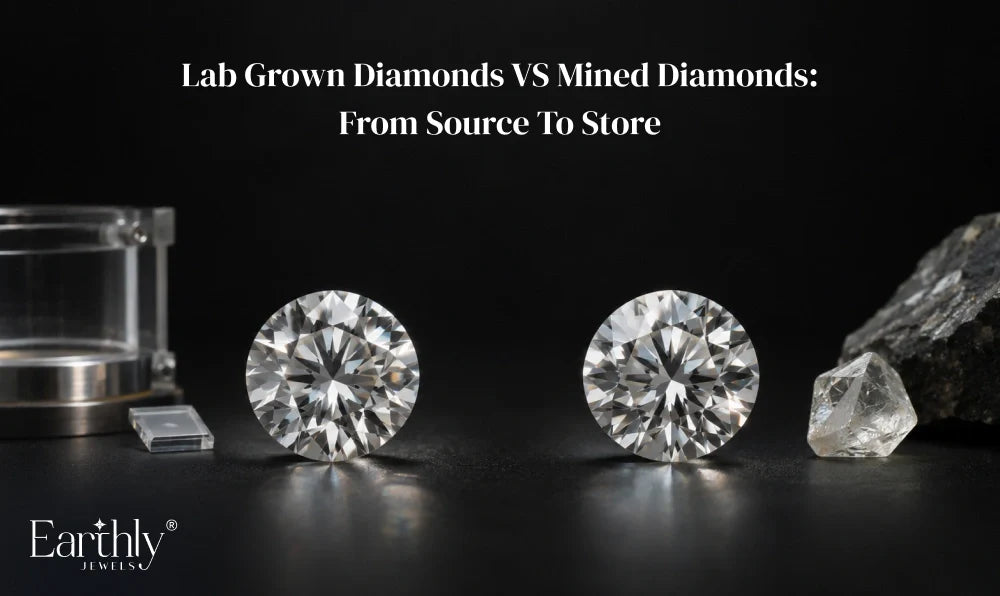
Every diamond has a story before it reaches the shop counter. Lab grown diamonds and mined diamonds each have a different journey from the very beginning. That difference shapes how they are sourced, graded, priced, and sold. This guide follows both paths so you can compare them with confidence.
Most shoppers start with one practical question about cost. The man made diamond price is a common search for a good reason. We will explain what moves a price tag up or down. You will also see how color changes the picture.
India plays a big role in how diamonds are cut and polished. Many buyers now consider a lab grown diamond in India for rings and everyday pieces. Later sections cover jewellery styles, expert tips, and common buying mistakes. By the end, you will know what to ask before you buy.
Where Each Diamond Begins
Source is the first big difference between these two diamonds. One begins deep inside the Earth, and the other begins in a lab. Both end up as real diamonds made of the same material. Let us look at each starting point in turn.
How Mined Diamonds Reach the Market
Mined diamonds form naturally over billions of years under heat and pressure. Miners recover them from deposits, and sorters grade the rough by size and quality. Each rough diamond is unique, so every cut starts with careful planning. This natural origin is why many buyers treasure mined diamonds.
Where Lab Grown Diamonds Start
Lab grown diamonds begin in clean, controlled workshops, not underground. Specialists grow them from a tiny diamond seed using proven methods. The result is a real diamond with the same crystal structure as a mined one. Growth takes weeks rather than billions of years, which keeps supply steady.
The Journey From Source to Store
Both diamonds travel through several hands before you see them. Rough diamonds are cut, polished, graded and set into jewellery. The steps look similar, but the starting point and timing differ. This table gives a quick view of each path.
| Stage | Mined diamonds | Lab grown diamonds |
| Origin | Natural deposits in the Earth | Controlled growth facilities |
| Cutting | Skilled cutters worldwide | Skilled cutters, often in the same cities |
| Paperwork | Reports vary by diamond and seller | Reports vary by diamond and seller |
- Choice: Planned growth can make sizes easier to find for lab created diamond engagement rings.
- Story: Mined diamonds carry a natural origin many buyers love.
- Documents: Always ask for the grading report before you pay.
Do They Look Different?
Lab grown diamonds and mined diamonds look the same to the eye. Both have identical chemical compositions and equal hardness. Sparkle depends on the cut, not on where the diamond began. A good jeweller therefore judges both by cut, colour and clarity grades.
What Stays the Same
- Material: Both are made of pure carbon.
- Hardness: Both rate 10 on the Mohs scale.
- Sparkle: Cut quality drives brilliance and fire in both types.
- Origin: Only lab tools can confirm where a diamond began.
Man Made Diamonds Price and What Drives It
Man made diamonds price changes with size, quality and the seller you choose. In general, lab grown diamonds cost less than comparable mined ones. Prices also move as production and demand change. Treat every number you see online as approximate until you compare quotes.
Four Factors Behind Any Price Tag
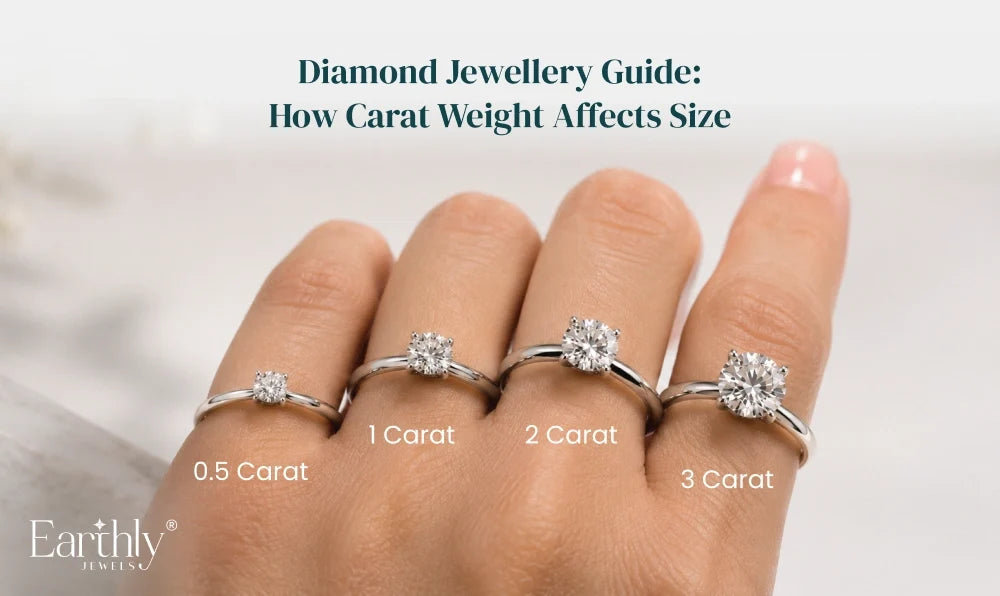
- Carat weight: Price per carat usually rises as the diamond gets larger.
- Cut quality: A well-cut diamond reflects more light and often costs more.
- Colour and clarity: Higher grades usually raise the final price.
- Setting and metal: Gold purity and design add to the total bill.
How to Compare Two Quotes Fairly
Match the carat weight, shape and grades before you compare prices. Check whether each quote includes the grading report and the setting. Ask about exchange or buy-back terms in writing. A fair comparison looks at the whole package, not one line.
Questions to Ask the Seller
- Report: Which lab graded this diamond?
- Fit: Can I try it on before I buy?
Colour Diamond Choices You Can Explore
White diamonds get most attention, but a colour diamond can feel far more personal. Naturally coloured diamonds are uncommon and highly valued among collectors. Lab grown diamonds give shoppers a wider range of tones to consider. Here are three shades that many buyers ask about.
Quick Styling Pointers
- Pairing: Match rose, white or yellow gold to the shade.
- Wear: Deeper shades suit evenings, while softer ones suit daily wear.
- Report: Check how the grading report describes the colour.
Pink Diamonds for Soft Romance
Pink brings a gentle, romantic mood to a ring or pendant. A pink diamond looks beautiful in rose gold or white gold. Light tones look soft, while deeper tones feel more dramatic. Always view the shade in daylight before you decide.
Blue Diamonds for Cool Confidence
Blue offers a cool, confident look that stands out on any hand. A blue colour diamond suits platinum and white gold settings. Shades range from icy hints to rich ocean depth. Compare several pieces side by side to judge the tone.
Yellow Diamonds for Warm Sparkle
Yellow adds warmth and works beautifully in yellow gold. Many buyers pick a yellow colour diamond for festive or evening wear. Shades run from soft cream to bright canary. Ask the seller how the colour was graded and described.
Choosing a Lab Grown Diamond in India
India is one of the world's major diamond cutting and polishing centres. Today, lab grown diamonds are widely available through jewellery stores and online retailers across India. Many buyers plan around weddings, festivals and gift days. Start early, because custom orders may need extra time.
Store or Online?
- Stores: Visits let you see sparkle and colour in person.
- Online: Browsing helps you compare lab created diamond engagement rings quickly.
- Video calls: They help when you cannot visit.
- Policies: Confirm return terms for any lab grown diamond in India before you commit.
Lab Grown Diamond Jewellery for Every Occasion
Lab grown diamond jewellery now covers almost every style and budget. Collections range from daily wear to grand wedding sets. Browsing by category helps you picture each piece. Here is how they work.
Rings That Mark Big Moments
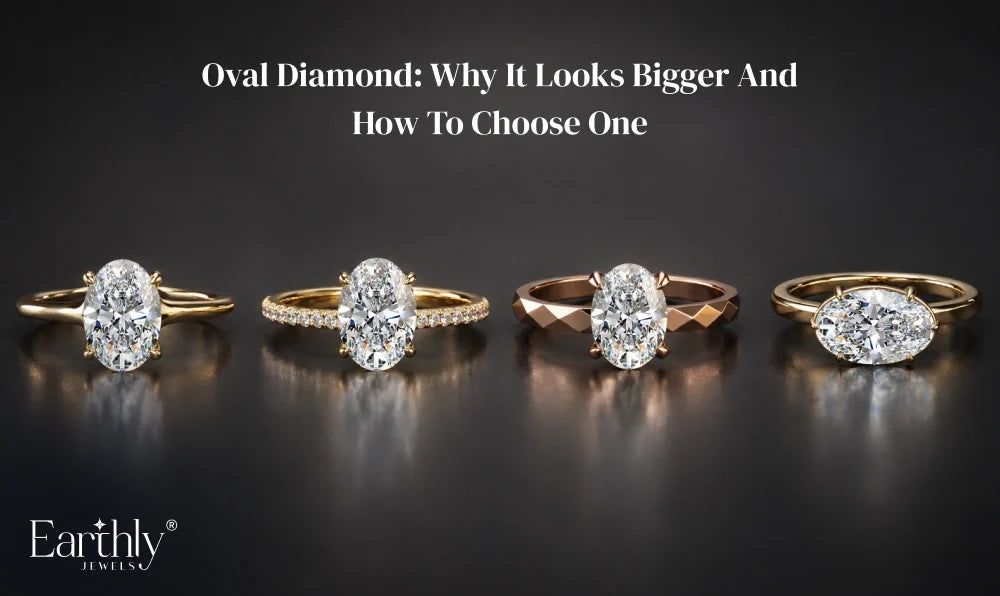
Lab created diamond engagement rings suit couples who want sparkle and choice. Settings include solitaire, halo, three-stone and bezel designs. Many buyers also look at oval, round and pear shapes. Try a few shapes on your hand before you choose.
Lab Grown Diamond Solitaire Styles
A lab grown diamond solitaire keeps all eyes on one bright centre. Collections such as Luxe Solitaires show how larger centres look in fine settings. Twiné-style bands wrap the centre in soft, sculptural lines. Pick a band that suits your routine and finger shape.
Eternity, Couple and Men's Bands
Eternity bands carry diamonds around all or part of the ring. They look lovely stacked beside a lab grown diamond solitaire on the same hand. Couple rings come in matching or paired designs for two people. Men's lab grown diamond rings add subtle sparkle without feeling flashy.
- Stacking: Wear a solitaire alongside a delicate eternity band for a layered look.
- Metal: Keep metals matching for a clean, calm look.
Pieces for Everyday and Festive Wear
Not every occasion calls for a ring. Earrings, pendants and bracelets often become the most worn pieces. They also make thoughtful gifts when sizing is a worry. Lab grown diamond jewellery in these categories suits office days and festive evenings alike.
Earrings and Studs
Lab grown diamond earrings come in many styles, from delicate studs to eye-catching drop designs. Small studs suit everyday wear and complement most outfits. Hoops and drop earrings bring extra charm to festive occasions and evening events. Choose secure backings to keep your earrings comfortably in place.
- Studs: Best for daily wear and quick dressing.
- Hoops: Ideal for casual outings and festive looks.
- Drops: A graceful pick for weddings and evenings.
Pendants, Mangalsutras and Bracelets
Lab grown diamond pendants sit lightly and layer well with chains. Diamond mangalsutras blend tradition with a modern look. Bracelets add quiet shine, and initial pendants make personal gifts. Check your wrist size or preferred chain length before placing an order.
3 Expert Tips Before You Buy
Jewellers share a few simple habits. These tips help you buy lab grown diamonds well. None needs special skill. Use them as a checklist.
- Tip 1: Judge the cut first, even for a lab grown diamond solitaire, because it looks brighter and larger.
- Tip 2: Set one budget and split it between diamond and setting. Every quote should fit inside that plan.
- Tip 3: Choose low, secure settings for lab created diamond engagement rings you will wear daily.
Mistakes to Avoid When Comparing Diamonds
- Compare prices only after matching carat, cut and grades.
- Never skip the grading report for a lovely design.
- Check colour in daylight, not only under shop lights.
Key Takeaways
- Source: Mined diamonds form in the Earth, while lab grown diamonds start in controlled facilities.
- Journey: Both paths include cutting, grading, setting and sale, but they start differently.
- Look: Lab grown diamonds sparkle as brightly as mined ones when the cut is good.
- Testing: Strong tools and trusted reports confirm what a diamond really is.
- Price: Man made diamonds price depends on size, cut, grades and setting.
- Colour: A rare shade adds a personal twist, from soft pink to deep blue.
- India: A lab grown diamond in India is simple to explore in stores and online.
- Rings: Lab created diamond engagement rings come in many settings and shapes.
- Solitaire: A lab grown diamond solitaire keeps the focus on one bright centre.
- Jewellery: Lab grown diamond jewellery also includes earrings, pendants and bracelets.
Conclusion
Lab grown diamonds and mined diamonds both begin as real diamonds, but their paths differ. Source, timing, supply and price all change what you see in the shop. Sparkle, however, depends mostly on the cut and a careful setting. Knowing this lets you shop with calm and clarity.
Begin by setting a budget, identifying your style and choosing a piece that suits your regular wear. Compare quotes fairly, ask for reports and view colours in daylight. Then choose the design that feels like you. Whichever path you pick, well-chosen lab grown diamond jewellery brings lasting joy.
Frequently Asked Questions
These answers cover common shopper questions. Each one is short and practical. Read them with the sections above. They help you feel ready.
Are lab grown diamonds real diamonds?
Yes, they share the same chemical makeup and crystal structure as mined diamonds. The difference lies in where they begin, not what they are. A grading report from a trusted lab can confirm the details.
How does man made diamonds price compare with mined diamonds?
Man made diamonds price is usually lower than a comparable mined diamond. Exact figures depend on size, cut, grades and the seller. Compare written quotes with the same specifications.
Can a basic tester tell lab grown from mined?
Usually not, because basic testers only show that the material is diamond. Special labs use strong tools to spot the origin. Ask for a grading report when origin matters to you.
Do Colour Diamonds Cost More Than White Diamonds?
The price varies based on the colour shade and its intensity. Natural fancy shades can be rare, which often raises their price. Lab grown colour diamond options usually offer more choice.
Is it safe to buy a lab grown diamond in India?
Yes, when the seller is open and shares clear details. Ask for a grading report and written terms before you pay. Reading the return rules now saves surprises later.
Do lab created diamond engagement rings suit daily wear?
Yes, because the diamond is as hard as a mined one. Choose a secure setting and a comfortable band for daily wear. Regular cleaning and yearly checks keep the ring looking fresh.
Is a Lab Grown Diamond Solitaire a Good Choice for First-Time Buyers?
Yes, it is a simple and classic way to begin. Focus on cut quality, then choose the shape and band you love. A single bright centre also pairs easily with other jewellery.
How should I care for lab grown diamond jewellery?
Clean it gently with mild soap, warm water and a soft brush. Store each piece separately so metal does not scratch other items. Have a jeweller check prongs and clasps once a year.

Share:
Diamond Jewellery Guide: How Carat Weight Affects Size