


Shape and cut are two different things, yet many buyers mix them up. Shape is the outline you see from above, while cut controls how the stone handles light. Both choices decide how your lab grown diamond engagement ring looks on the hand every day. This guide explains each one in plain words so you can choose with confidence.
You will learn how popular shapes of diamond differ in style, size, and care. You will also see why a well-cut stone can beat a bigger, duller one. Later sections include a simple size of diamond chart and practical checks before you buy. These basics apply to any engagement ring, whatever your budget or style.
Most shoppers want a ring that looks stunning and lasts for decades. That goal needs two answers, one about outline and one about light. Once you know both, comparing options becomes far easier and less stressful. The first step is separating shape from cut.
What Is the Difference Between Shape and Cut?
Shape describes the stone's outline, such as round, oval or pear. Cut refers to the angles, proportions and finish of its facets. For an engagement ring, a good cut helps reflect light and create sparkle. A poor cut allows light to escape, making the diamond look dull.
- Shape is personal taste, and no outline is better than another.
- Cut grade reflects craftsmanship, so it directly affects sparkle.
- Two stones of one shape can look very different side by side.
A round stone with a weak cut can look duller than a well-cut oval. That is why shape alone should never guide your decision. Treat shape as style and cut as performance. This view keeps your shortlist practical and realistic.
Popular Diamond Shapes to Consider for an Engagement Ring
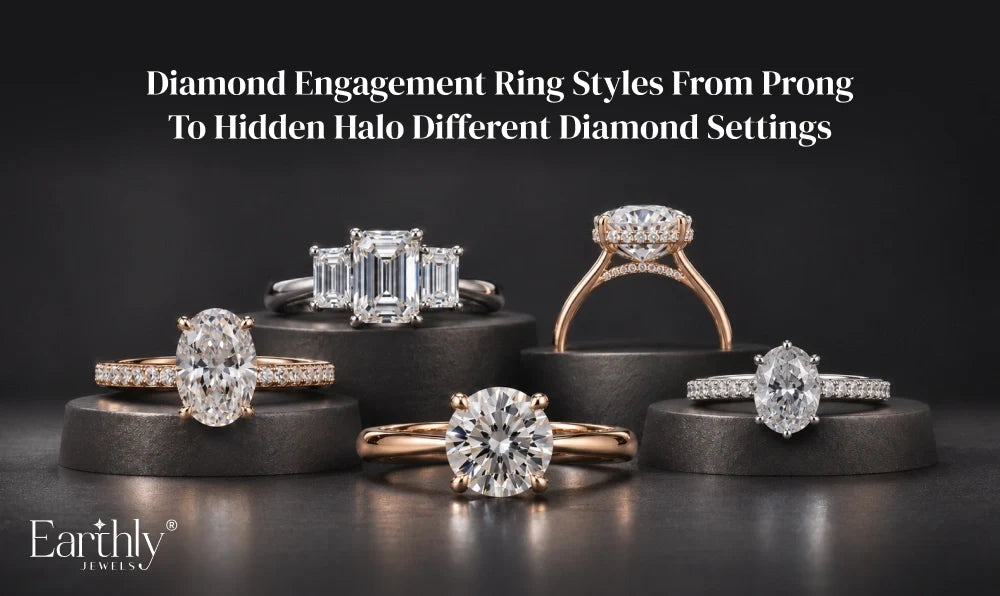
Each shape has its own outline, personality, and sparkle pattern. Some look larger for their weight, and some hide small flaws better. Others suit certain finger lengths and daily routines. The sections below group the most loved options by facet style.
Brilliant-Style Shapes
- Round has strong sparkle and timeless appeal.
- Oval has an elongated outline that can make fingers look longer.
- Pear blends a rounded end with a point for a teardrop look.
- Cushion has soft corners and a romantic, vintage-inspired feel.
- Princess offers sharp square lines with a modern feel.
- Radiant pairs a rectangular outline with lively sparkle.
Brilliant-style cuts use many small facets to create lively sparkle. They can hide minor inclusions better than step-cut diamonds. This can help you manage your engagement ring budget. However, always assess each diamond individually, as results vary with cutting quality.
Step-Cut and Sleek Shapes
Emerald and Asscher stones use long, flat facets arranged like stair steps. They create a calm, mirror-like glow instead of busy sparkle. Clear stones suit these shapes best, because flaws are easier to see. Other shapes of diamond, such as marquise, offer a long and bold outline.
Quick Shape Comparison
Use the table to compare style, care needs, and typical appeal. It covers only the shapes shoppers request most often. Remember that individual stones differ, even within one shape. Always view the real stone or a clear video.
| Shape | Overall Look | Good to Know |
| Round | Classic, high sparkle | Often priced higher per carat |
| Oval | Elongated and modern | Can look large for its weight |
| Pear | Graceful teardrop | Protect the point with a prong |
| Cushion | Soft and romantic | Check the facet style you like |
| Emerald | Sleek and step-cut | Clarity is easy to see |
| Princess | Sharp and square | Guard the corners with prongs |
How Cut Changes Sparkle in a Lab Grown Diamond Engagement Rings
Light enters a diamond through its top, reflects inside, and returns to the eye. In an engagement ring, cut quality determines how much light follows this path. Diamonds cut too deep or too shallow can lose light through the sides or bottom. As a result, even a clear diamond may appear dull.
- Brightness is the white light that returns to the viewer.
- Fire is the flash of rainbow colours inside the stone.
- Scintillation is the sparkle pattern that appears as the stone moves.
Reading the Cut Grade
Many labs give a formal cut grade to standard round brilliants. Fancy shapes often receive polish and symmetry grades instead. So always read the report for your chosen shape. Ask the jeweller to explain what each grade means.
For round stones, choose the top grades, usually labelled Excellent or Ideal. For fancy shapes, look for Excellent or Very Good polish and symmetry. Check the stone in person or in a clear video. Photos can hide how a stone behaves under moving light.
Why Cut Often Matters More Than Carat
Carat measures weight, not visual size or beauty. A well-cut one-carat stone can look livelier than a poorly cut larger one. Deep cuts hide weight at the bottom, so the top looks smaller. A slightly better cut can therefore improve everyday sparkle.
A Simple Priority Order
- Cut comes first, because it controls sparkle and overall life.
- Carat comes next, because it sets the stone's presence.
- Colour and clarity come last, balanced against budget and setting.
This order is a guide, not a strict rule. Some buyers value colour more, especially in white metal settings. Your own eyes should make the final call. Compare stones with similar grades to see the real differences.
A Simple Size of Diamond Chart
Carat weight and visible width are linked, but they are not equal. The size of diamond chart below shows typical widths for well-cut round stones. Real stones vary slightly, so treat the numbers as estimates. Fancy shapes differ, so ask for exact millimetre measurements.
| Carat Weight | Approx. Width (Round) | Common Feel |
| 0.25 ct | 4.1 mm | Subtle |
| 0.50 ct | 5.1 mm | Everyday |
| 0.75 ct | 5.8 mm | Balanced |
| 1.00 ct | 6.5 mm | Popular |
| 1.50 ct | 7.4 mm | Bold |
| 2.00 ct | 8.2 mm | Statement |
When choosing an engagement ring, compare this diamond size chart with your finger size. A slim band can make the centre stone look larger. A thick band may make the same stone appear smaller. Try several band widths before finalising the ring.
Why Solitaire Diamond Rings Stay Popular
Solitaire diamond rings place one stone at the centre of the design. This simple layout lets the cut and shape do the talking. The band stays slim, so the stone gets full attention. Setting choices still change the mood of any engagement rings.
- Prong settings show more of the stone and let in more light.
- Bezel settings wrap metal around the stone for added protection.
- Bypass settings twist the band around an oval or pear.
- Hidden halo designs add a subtle ring of sparkle beneath the stone.
Solitaire diamonds rings also pair well with stackable bands. A plain band leaves room to add pieces later. Metal choice matters too, since white, yellow, and rose gold change the look. You can browse styles on the solitaire ring collection at Earthly Jewels.
Lab Grown Diamonds Explained Simply
Lab grown diamonds have essentially the same chemical composition and crystal structure as mined diamonds. They are real diamonds, not simulants such as cubic zirconia. The main difference is origin, and the price is usually lower. Cut, colour, clarity, and carat grading apply to both.
A lower price per carat may let you upgrade the cut of a lab grown diamond engagement ring. It may also allow a larger stone within the same budget. Always compare certified stones that have similar grades. Reports from labs such as IGI and GIA list the key details.
Buying Checklist for Your Lab Grown Diamond Engagement Ring
Solitaire diamonds rings rely on one stone, so inspect it closely. A short checklist keeps the decision calm and clear. Use it when comparing your final two or three options. Write down the answers, because details blur quickly.
- Report – Confirm a recognised lab issued the certificate.
- Cut grade – Check for the top grade on round stones.
- Polish and symmetry – Review both for fancy shapes.
- Measurements – Compare length, width, and depth in millimetres.
- Hallmark – In India, look for BIS hallmarking on gold settings.
- Return terms – Read the return policy before paying.
Mistakes to Avoid
- Choosing an engagement ring based only on carat weight while overlooking the cut grade.
- Accepting a very deep stone just to reach a higher weight.
- Skipping the report and trusting photos only.
- Picking a pointed shape without protective prongs.
A good jeweller welcomes these questions. They should explain proportions without rushing you. If answers feel vague, compare another seller. Your engagement ring deserves that extra care.
How to Match Shape to Your Lifestyle
An engagement ring should suit your daily routine, so think about that first. Pointed corners on pear or princess stones need protective prongs. Round or cushion outlines often handle small bumps more easily. A low setting suits hands-on work, while a raised setting adds drama.
Hand shape matters too, though personal taste matters more. Oval and pear outlines often make fingers look longer. Try engagement ring in several shapes of diamond before deciding. Photos rarely tell the whole story of how a stone sits.
Key Takeaways
- Shape: Shape is your style choice, while cut controls sparkle.
- Cut: Prioritise the highest cut grades for round stones.
- Carat: Weight does not equal visible size or beauty.
- Shapes: Compare shapes of diamond by outline, sparkle, and care needs.
- Width: Use a size of diamond chart to compare millimetre measurements.
- Solitaire: Solitaire diamonds rings let one stone take centre stage.
- Report: Check certificates from recognised labs before paying.
- Setting: Choose prongs and metal that suit your lab grown diamond engagement ring and routine.
- Origin: Lab grown diamonds share essentially the same chemistry as mined diamonds.
- Budget: Spend where it shows, starting with cut quality.
Conclusion
Shape sets the style, and cut sets the sparkle. Knowing that difference makes every comparison simpler. A well-cut stone in a favourite outline will delight you for years. That is the heart of a smart engagement ring choices.
Use the size chart, report details, and a quick in-person look together. Try on a few outlines, then choose the one that feels natural. Stay patient and ask questions until every answer is clear. Your final pick should feel both beautiful and dependable.
Frequently Asked Questions
What is the difference between diamond shape and cut?
Shape is the outline, such as round or oval. Cut is the quality of the angles and facets that create sparkle. Two stones with the same shape can sparkle very differently.
Which diamond shape looks biggest?
Oval, marquise, and pear stones often look large for their carat weight. Their elongated outlines spread the surface area across the finger. Always compare millimetre measurements, because individual stones differ.
Is round always the best choice for a ring?
No, because the best choice depends on your taste and lifestyle. Round stones offer strong sparkle, but other shapes can look equally lovely. Judge the cut quality and the actual stone, not only the label.
How do I use a size of diamond chart?
Find your carat weight and read the matching width in millimetres. Then compare that width with the stone you are viewing. Remember that charts for round stones do not suit fancy shapes.
Are solitaire diamond rings suitable for everyday wear?
Many are, especially with secure prongs and a low setting. Simple designs may also snag less on clothing. Have the prongs checked regularly for wear.
Does a higher cut grade cost more?
Often yes, because better cutting needs more skill and can waste more rough stone. The extra cost usually brings visible sparkle. Compare prices only between stones of similar grades.
Are lab grown diamonds graded like mined ones?
Yes, labs such as IGI and GIA grade lab grown diamonds on the same core factors. Reports also state whether a stone is lab grown. Read the report carefully for each stone.
What should I check before buying a lab grown diamond engagement ring?
Check the certificate, cut grade, measurements, and setting quality. In India, also confirm BIS hallmarking on the gold. Ask about return terms before you pay.


Share:
How Custom Jewellery Is Made With Lab Grown Diamonds
Black Diamonds: What They Are and Should You Buy One?