


Indian jewellery is more than adornment and reflects India’s journey from ancient traditions to modern expression. As India became a sovereign democracy jewellery choices evolved with changing values and awareness. The way jewellery is created worn and valued transformed over time. Each piece carries stories of preserved heritage and reclaimed identity. Modern designs reflect freedom thoughtful choice and education. They honour tradition while embracing innovation. This evolution mirrors India’s balance between respect for roots and the courage to progress.
Roots of Indian Jewellery
Before independence, Indian jewellery was deeply woven into the social and spiritual fabric of the subcontinent. Every region developed distinctive styles like Tamil Nadu temple jewellery, Rajasthan kundan, Odisha filigree, and Jaipur meenakari. These creations were not mere decoration but carriers of cultural meaning. Indian jewellery marked life milestones from birth and marriage to spiritual devotion. Designs passed through generations with each motif holding symbolic significance. Mangalsutra threads represented marital commitment, toe rings reflected cultural identity, and nose rings celebrated femininity.
These precious pieces also served as portable wealth during uncertain times. Families invested in gold and precious stones as security dowry and inheritance. Craftsmanship was often hereditary with karigars dedicating lifetimes to perfecting techniques. The relationship between wearer and jeweller relied on trust and strong community ties. Under colonial influence much indigenous knowledge and autonomy faced erosion. Economic policies and shifting power structures challenged traditional artisan networks.

Post Independence Evolution of Indian Jewellery
With independence in 1947 came renewed cultural pride and self determination. Indian jewellery began reflecting this change. Creators reclaimed traditional motifs with fresh perspectives and merged regional styles. They experimented with forms suited to a changing society. Women entering professional spaces sought jewellery balancing tradition and practicality. Lighter pieces suited daily wear and complemented both ethnic and contemporary attire.
The economic liberalisation of the 1990s further accelerated change. Collections became more diverse, more experimental, more individualistic. Global influences mingled with local aesthetics. Access to international markets and ideas meant buyers and creators alike began questioning inherited norms. What had been rigidly prescribed became a matter of personal choice. The Indian jewellery buyer of today is not bound by tradition alone but exercises agency in selecting pieces that reflect personal values, aesthetic preferences, and lifestyle needs.
Modern Indian Jewellery and Informed Buyers

Perhaps the most significant shift in contemporary culture is the rise of the educated buyer. Today's consumers approach jewellery purchases with research, questions, and expectations of transparency. They seek to understand diamond grading, metal purity, pricing structures, and sourcing ethics. This marks a departure from earlier generations who often relied solely on family jewellers and traditional trust networks.
Modern buyers take a closer look at the four key factors of diamonds which include cut clarity colour and carat weight before making a decision.. They compare hallmarking standards, understand certification bodies, and ask about buyback policies. This informed approach reflects broader societal changes: higher education levels, increased access to information, and a cultural shift toward questioning rather than accepting at face value. It is a democratisation of knowledge that empowers buyers to make choices aligned with their values and budgets, rather than simply following convention.
Innovation in Indian Jewellery
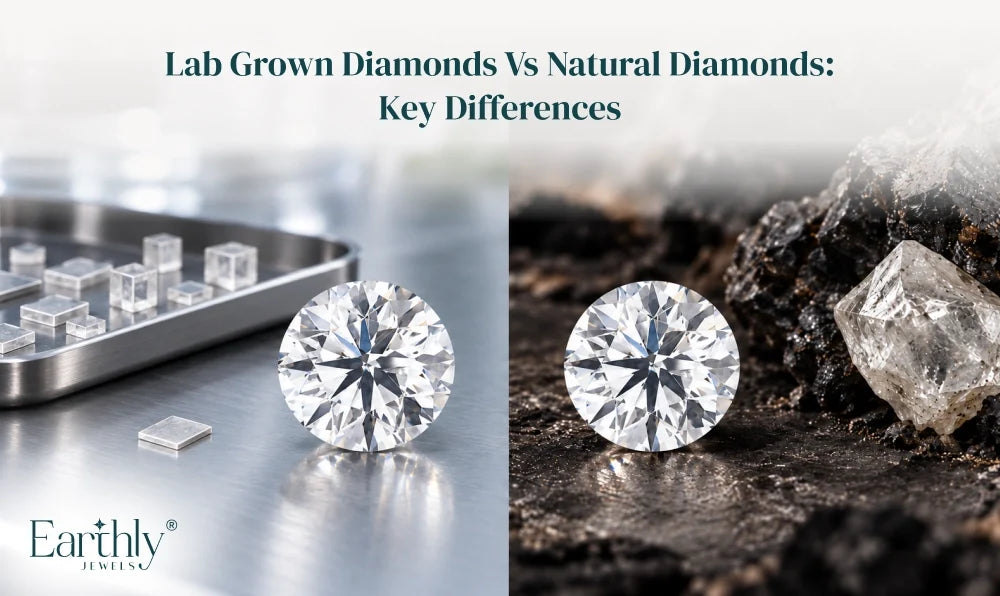
Innovation has always been part of Indian craftsmanship, but recent decades have seen technological and ethical advances that are reshaping the jewellery landscape. Among these developments, lab grown diamond India has emerged as a noteworthy option for buyers who value both quality and conscious sourcing. Lab created diamonds offer the same physical, chemical, and optical properties as mined diamonds, representing a modern approach that resonates with buyers seeking alternatives.
The acceptance of such innovations in Indian jewellery reflects a broader cultural confidence: a willingness to embrace new methods without abandoning heritage. Traditional designs can now be executed with contemporary materials. Artisan techniques can be supported by modern technology. This fusion is not a rejection of the past but an evolution, one that honours craftsmanship while recognising that innovation can align with values of transparency and responsibility.
Indian Jewellery and Responsible Choices
Sustainability and ethical sourcing have become central considerations for many Indian jewellery buyers. This shift parallels global conversations about responsible consumption but carries particular significance in a nation with such deep jewellery traditions. Buyers now ask about the environmental impact of their purchases, the working conditions of artisans, and the long term value of their investments.
Jewellery is increasingly viewed through the lens of conscious buying. Is this piece crafted to last generations? Does it support fair labour practices? Can it be repurposed or redesigned as tastes evolve? These questions reflect a maturity in how we approach jewellery, not just as symbols of status or sentiment but as considered choices that align with personal ethics. The freedom to ask these questions, to demand accountability, to prioritise values over convention: this too is a reflection of a free nation.
How Earthly Jewels Supports Modern Values
At Earthly Jewels, our commitment is rooted in education and transparency. We believe that every buyer deserves clarity about what they are purchasing, how it is made, and what it represents. Our approach is built on providing detailed information, answering questions honestly, and designing pieces that honour both tradition and contemporary sensibilities.
We recognise that modern buyers seek more than beautiful jewellery; they seek understanding. Whether discussing traditional gold work or newer options like lab created diamonds, we prioritise clear communication about materials, pricing, and sourcing. Our goal is not to dictate choices but to empower them, to provide the knowledge that allows each person to select jewellery that truly reflects their values, their story, and their vision.
We work with skilled artisans who carry forward generations of craft knowledge, ensuring that each piece is created with care and expertise. Our designs are inspired by India’s rich artistic legacy while thoughtfully adapting to the needs and preferences of modern lifestyles. This balance, between honouring where we come from and meeting the needs of where we are, defines our philosophy.
Frequently Asked Questions
1. How can I verify if my jewellery is genuine gold?
Look for the BIS hallmark stamp indicating purity, typically 22K or 18K. The hallmark includes the BIS logo, purity grade, assaying centre mark, and jeweller's identification. You can also visit a certified assaying centre for testing. Always ask for proper documentation specifying metal purity, weight, and making charges separately.
2. Are lab created diamonds a good choice for engagement rings?
Lab created diamonds possess identical physical and chemical properties to mined diamonds, offering the same brilliance and durability. Many Indian couples choose lab grown diamond India options for larger or higher quality stones within their budget while making environmentally mindful choices. The decision depends on your personal values and preferences.
3. What should I know about making charges when buying jewellery?
Making charges vary based on design complexity, weight, and craftsmanship. Simple designs might have charges of 8% to 12% of gold value, while intricate traditional work ranges from 15% to 25% or higher. Always ask for a clear breakdown showing gold price, making charges, and GST separately for transparency.
4. How do I choose jewellery that suits both traditional and modern outfits?
Look for versatile designs balancing traditional motifs with contemporary styling. Simple gold chains, stud earrings with classic patterns, or delicate bangles work well across occasions. Consider lighter pieces that transition easily from ethnic wear to formal attire. Choosing timeless designs over trendy ones ensures longevity and flexibility.
Conclusion
Indian jewellery has journeyed alongside the nation itself, evolving from rigidly traditional forms to expressions of individual choice and informed values. Today's landscape reflects the freedoms we cherish as a nation: the freedom to question, to innovate, to choose consciously, to honour tradition while embracing change. From the symbolic jewellery worn in ancient rituals to the thoughtfully selected pieces of today's educated buyers, each era has added its own chapter to this ongoing story.
As we look forward, designs will continue to evolve, shaped by technological innovation, ethical considerations, and the creative courage of designers and buyers alike. What remains constant is its role as a reflection of who we are: a free people, connected to our heritage yet unafraid to forge new paths, committed to values of transparency, education, and conscious choice. This is the spirit of modern India, expressed in every carefully chosen piece of jewellery we wear.

Share:
The Ultimate FAQ Guide to Buy Lab Grown Diamonds
Custom Jewellery with Diamonds: What Buyers Should Know