


A lab grown diamond engagement ring contains a genuine diamond made in a lab. Lab grown diamonds have essentially the same chemical makeup and crystal structure as mined diamonds. More couples now consider them when planning a proposal. This guide explains styles, shapes, metals, and fit in plain words.
Choosing a ring can feel hard because every design looks lovely online. Popular choices include solitaire engagement rings, halo designs, and rings with side diamonds. Each design changes how the centre diamond looks and how the ring feels daily. We break these choices down step by step so you can decide with confidence.
You will also learn how a solitaire ring with a diamond band differs from a plain band. We cover lab grown diamond engagement ring for her and options for men in separate sections. Later, you will find a simple budget plan, care tips, and answers to common questions. Earthly Jewels shares this guide to make your first shopping step easier.
What Sets Lab Grown Diamond Engagement Rings Apart?
The main difference lies in where the diamond comes from, not in what it is. Both types are diamonds, so hardness and sparkle follow the same rules. Many buyers like knowing the origin of their diamond from the start. Knowing these details helps you select a comfortable ring for daily use.
Here are a few facts worth knowing:
- Hardness: lab grown diamonds score 10 on the Mohs scale, like mined diamonds.
- Appearance: the two types look alike without special lab equipment.
- Choice: you can compare many shapes, sizes, and settings in one place.
- Paperwork: ask for a grading report with every centre diamond.
A Simple Guide to Each Type of Diamond Ring
The setting secures the diamond and keeps it firmly in position. It shapes the look, the comfort, and the care routine. Knowing each type of diamond ring helps you avoid a poor match. The table below compares the most common choices.
| Style | Look | Best for | Keep in mind |
| Solitaire | One centre diamond, clean lines | Classic taste | The centre diamond takes all attention |
| Halo | Small diamonds circle the centre | Extra sparkle | More crevices to clean |
| Three-diamond | Three diamonds in a row | Meaningful symbolism | Needs more width on the finger |
| Pavé band | Tiny diamonds along the band | Sparkle from every angle | Resizing needs care |
| Bezel | A metal rim wraps the diamond | Busy, active routines | Shows fewer sides of the diamond |
| Hidden halo | A diamond ring sits under the centre | A subtle surprise | Detail sits below the main view |
Solitaire Diamond Engagement Ring: A Timeless Choice


A solitaire features one central diamond without additional diamonds around it. This clean design complements many hand shapes and personal styles. It also matches well with plain or diamond wedding bands. Its versatility keeps this style popular among couples.
Why people choose this style:
- Clean look: the diamond becomes the single focus.
- Simple cleaning: fewer gaps make at-home care easier.
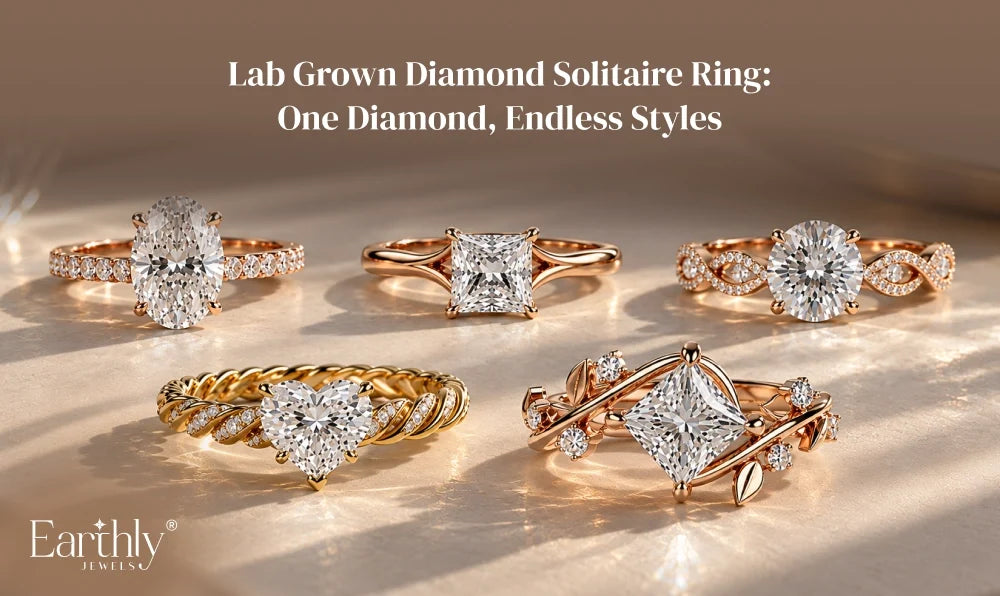
- Wide choice: you can pick any shape, from round to emerald.
- Lasting appeal: the design fits many eras and fashions.
Prong or Bezel Setting?
Prongs raise the diamond, allowing light to enter from different directions. A bezel surrounds the diamond with a slim metal rim for added protection. Choose a bezel for hands-on work or to reduce snagging. Prongs suit those who prefer a more exposed diamond.
Diamond Band With Solitaire: Extra Sparkle Along the Ring


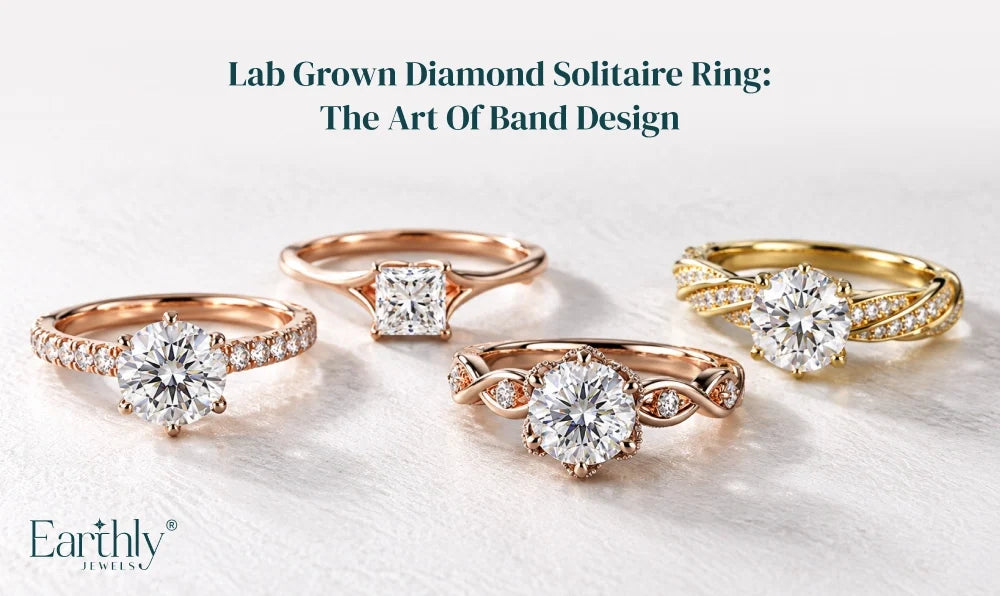
This design pairs one large centre diamond with small diamonds on the band. Smaller diamonds create sparkle from both the sides and the top. It suits people who want more glow without a bigger centre diamond. Look for even spacing and secure settings along the full band.
What to check before you buy:
- Setting quality: small diamonds should sit firmly with no gaps.
- Comfort: the inner edge of the band should feel smooth.
- Sizing: ask how resizing works before you place an order.
- Band fit: Ensure a wedding band sits comfortably beside the ring.
Women’s Engagement Ring Choices: Shape, Metal and Fit


A women engagement ring should match her daily style, not only trends. Think about her jewellery colours, work routine, and favourite shapes. These three clues narrow your search faster than browsing every design. The next sections cover shape, metal, and fit in simple steps.
Pick a Diamond Shape
- Round: known for strong sparkle and suits almost every setting.
- Oval: can make the finger look longer and feels modern.
- Pear: tapers to a soft point and offers a distinctive outline.
- Emerald: long, step-cut lines create a calm, mirror-like glow.
- Cushion: soft corners give a romantic, vintage-inspired look.
Choose a Metal
- Yellow gold: gives a warm, classic tone.
- White gold: offers a bright, silver-like look.
- Rose gold: adds a soft pink glow.
- Platinum: is naturally white and strong, though it often costs more.
Get the Right Fit
Comfort matters as much as looks because the ring stays on every day. Measure the finger more than once, because size changes with temperature. A jeweller can confirm the size with a ring sizer. Remember that wider bands often feel tighter than slim ones.
Band Width Guide
- Slim band: feels light and lets the centre diamond stand out.
- Medium band: balances comfort and strength for daily wear.
- Wide band: makes a bold statement and may feel more snug than a slimmer band.
Pairing Your Ring With a Wedding Band


Many couples choose a wedding band after the proposal. Both rings should fit together comfortably without rubbing or leaving large gaps. A curved band suits lower settings, while a straight band works with many other designs. Try both rings together before making your final decision.
- Straight band: Sits neatly beside many solitaire rings.
- Curved band: Follows the engagement ring's shape for a closer fit.
- Plain band: Keeps attention on the engagement ring.
- Matching metals: Creates a consistent colour across both rings.
Men's Engagement Rings as a Growing Choice


Men’s lab grown diamond engagement ring is another option for couples. Both partners can wear a symbol of commitment. These rings often feature simple designs that feel sturdy and comfortable. Flat or domed bands with small diamonds offer popular starting points. Choose a polished or brushed finish that suits his daily activities.
Design ideas to consider:
- Flush-set diamond: Sits level with the band for a smooth finish.
- Bezel-set diamond: Holds the diamond securely within a low-profile setting.
- Brushed finish: Gives the band a textured look that helps disguise minor scratches.
- Two-tone band: Combines two metal colours for a contrasting appearance.
Plan Your Budget and Buying Steps
A clear plan keeps shopping calm and helps you compare designs fairly. Prices vary by size, shape, quality, and metal, so set a range first. Then compare a few options in the same price band. Compare each lab grown diamond engagement ring on the same details.
- Set a budget range before you browse.
- Choose the setting that fits daily life.
- Pick a shape you love.
- Ask for a grading report for the centre diamond.
- Confirm sizing, resizing, and return terms.
Common Mistakes to Avoid
Rushing is the most common mistake in ring shopping. A calm comparison protects both your budget and your confidence. Most errors come from small details that are easy to miss. Use the list below as a quick check before you pay.
- Ignoring lifestyle: a tall setting may snag on busy days.
- Guessing the size: a wrong size can delay the proposal.
- Skipping the report: always read the grading details.
- Buying on looks alone: check comfort and fit too.
- Following trends only: choose a style that will still feel right in ten years.
Care Tips for Everyday Wear
Diamonds are hard, but metal settings still need gentle care. Keep your lab grown diamond engagement ring clean so the diamond keeps its glow. A soft routine takes only a few minutes each week. Small habits also protect the prongs and band over time.
- Soak the ring in warm water with mild soap, then brush gently.
- Remove it before gym sessions, cleaning, or swimming.
- Store it in a soft pouch away from other jewellery.
- Avoid harsh chemicals, since they can dull the metal over time.
- Ask a jeweller to check the setting once or twice a year.
Browsing Tips for Your Online Search
Earthly Jewels sells lab grown diamond jewellery, including lab grown diamond engagement ring. You can browse the engagement ring collection to compare designs and shapes. Look at each ring from several angles before you decide. Take your time, and ask questions about sizing and care.
Key Takeaways
- Origin: A lab grown diamond has the same chemical makeup as a mined diamond.
- Style: Match the setting to the wearer's daily routine.
- Solitaire: One centre diamond gives a clean, timeless look.
- Band: Small band diamonds add sparkle without enlarging the centre diamond.
- Shape: Pick a shape that suits the hand and personal taste.
- Metal: Yellow gold, white gold, rose gold, and platinum each give a different tone.
- Fit: Measure more than once, and remember that wide bands run snug.
- Budget: Set a range first, then compare similar options.
- Paperwork: Ask for a grading report for the centre diamond.
- Care: Clean gently and check the setting every few months.
Conclusion
A lab grown diamond engagement ring combines genuine diamond appeal with varied design options. Choose the setting first, followed by the shape, metal, and fit. Solitaires suit classic tastes, while halo designs and diamond bands add extra sparkle. Daily comfort is just as important as appearance.
The ideal ring reflects the wearer's personality and everyday needs. Follow these budgeting and care tips to make a confident choice. Earthly Jewels hopes this guide simplifies your search. Take your time and enjoy the experience.
Frequently Asked Questions
Is a lab grown diamond engagement ring made with a genuine diamond?
Yes, lab grown diamonds share the same chemical composition and crystal structure as mined diamonds. Check the grading report for details about your centre diamond.
Which solitaire diamond engagement ring setting works best for daily wear?
A bezel protects the diamond's edges, while prongs leave more of it exposed. Choose based on your daily activities and comfort.
How does a diamond band differ from a plain band?
A diamond band features smaller diamonds along its surface, while a plain band has a smooth finish. Both styles can complement the same centre diamond.
Can a men's engagement ring feature a diamond?
Yes, men's engagement rings can include flush-set or bezel-set diamonds. Low-profile settings offer a smooth feel for everyday wear.
Which diamond ring design is easiest to maintain?
Simple solitaire rings are often easier to clean because they have fewer crevices. Regular inspections also help keep the diamond securely in place.
How often should I clean my engagement ring?
Clean your ring weekly with mild soap and lukewarm water. Wash away any soap residue and pat dry with a soft cloth.

Share:
Lab Grown Diamonds vs Natural Diamonds: Key Differences
Who Makes Lab Grown Diamonds? India’s Role in the Global Boom